BSP Sets Six Rules for Crypto Listing by Philippine Exchanges
The Bangko Sentral ng Pilipinas banned privacy coins entirely and set six evaluation pillars that all virtual asset exchanges must use before listing any crypto token for trading.
Key Takeaway
Philippine exchanges must now pass six evaluation tests before listing tokens, with privacy coins banned completely.
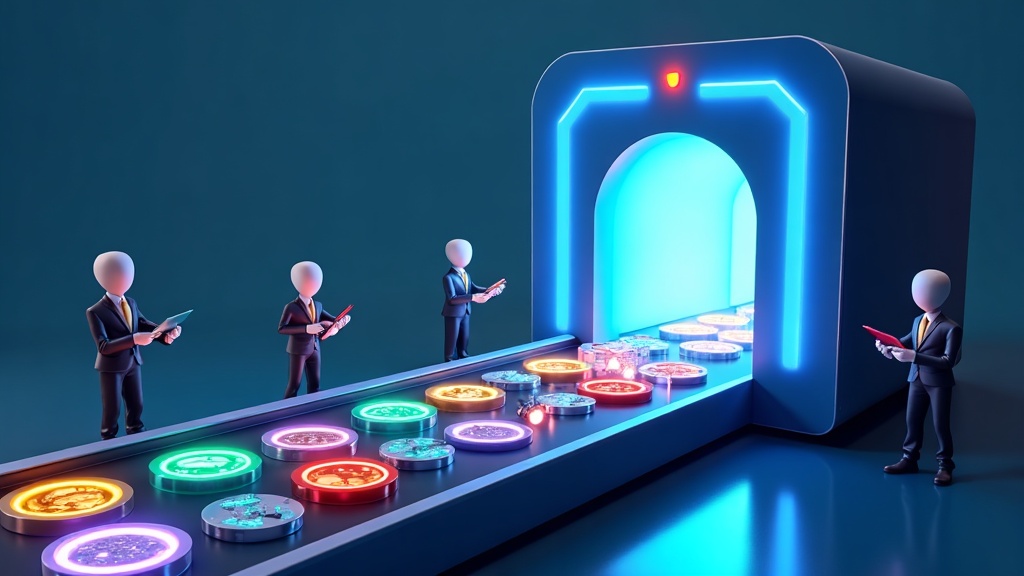
Bangko Sentral ng Pilipinas now requires all virtual asset service providers to evaluate six distinct pillars before listing any crypto token for trading.
Memorandum No. M-2026-023 sets the floor for accreditation processes across Philippine exchanges. VASPs must assess corporate background of the issuer, total market capitalization, specific product use cases, and whitepaper accessibility before adding a coin. They also need to verify technical transparency, system traceability, asset security audits, liquidity pools, and legal risk compliance.
The BSP said asset-backed tokens must demonstrate verifiable reserves and clear operational stabilization mechanisms. Platforms must establish continuous monitoring protocols that automatically delist or suspend digital assets when triggers fire. Exchanges face mandatory suspension orders if supported coins encounter adverse economic developments, security breaches, or misleading corporate disclosures.
Privacy tokens are prohibited from listing or support across all domestic platforms.
BSP set these standards as a minimum benchmark, allowing providers to build their own custom evaluation frameworks around the core principles. Since September 2022, the regulator has kept the licensing window closed to new VASP applicants, meaning the tighter token rules land on a sector already locked from new competition. Exchanges like PDAX and Coins.ph now operate under both the original 2021 VASP regime and the layered token-listing framework issued in June 2026.
🇵🇭 Filipino Impact
PDAX and Coins.ph users will see stricter vetting for new token listings and no access to privacy coins like Monero or Zcash on domestic platforms.
This article was written based on reporting from Fintechnews.